Advanced Mini Wireless Microphone
DJI Mic 3
Performance That Speaks
Lightweight & Intuitive, Compact Storage [1]
4TX + 8RX Capability &
Four-Channel Output [2]
Adaptive Gain Control for Balanced Volume [3]
Dual-File 32-bit Float Internal Recording
Three Voice Tone Presets [4], Two-Level Noise Cancelling [5]
Integrated Timecode for Seamless Editing
Dual Band Anti-Interference [6], Lossless Audio Transmission
Extended Operating Time & Fast Charging
Small, Lightweight, Versatile
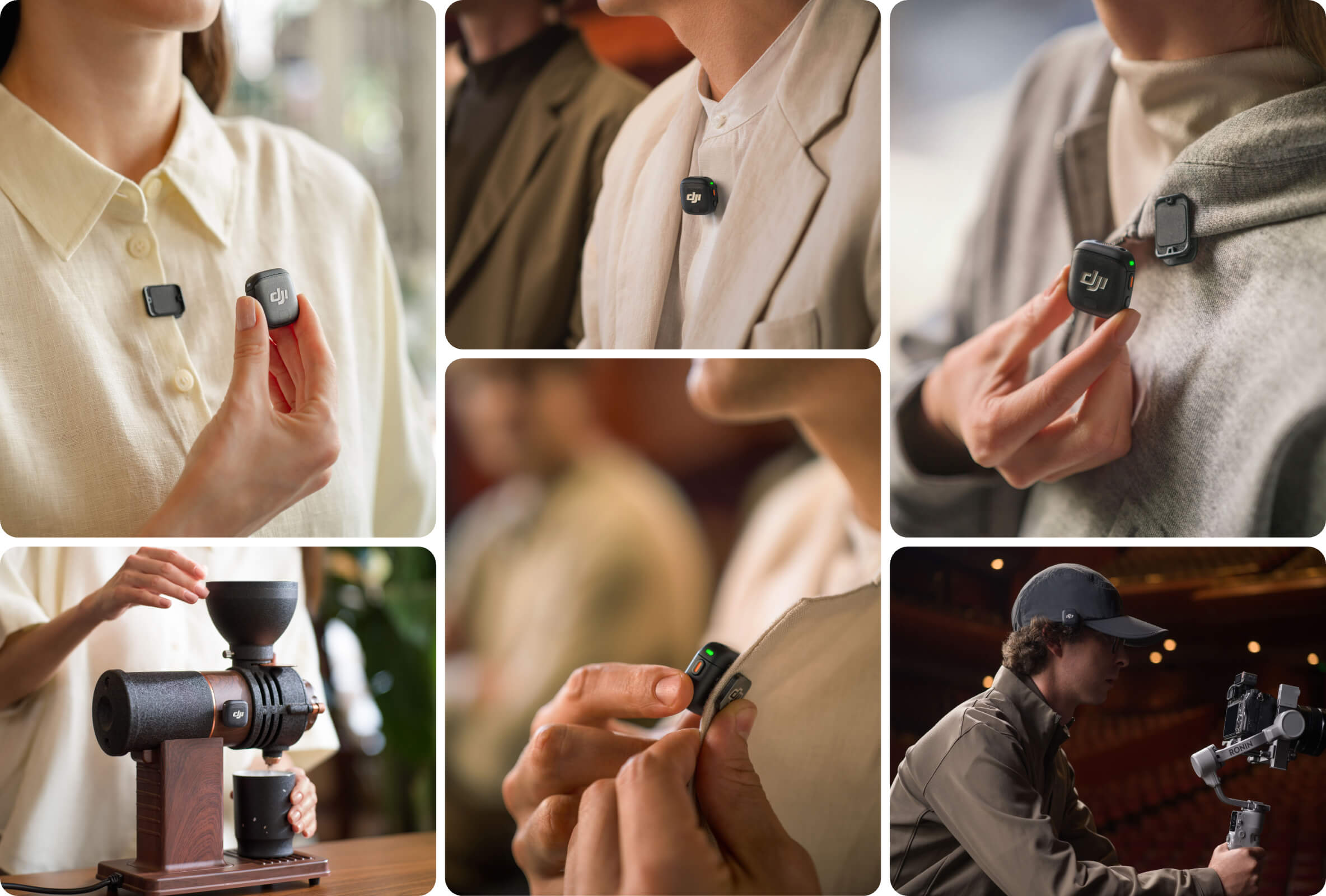
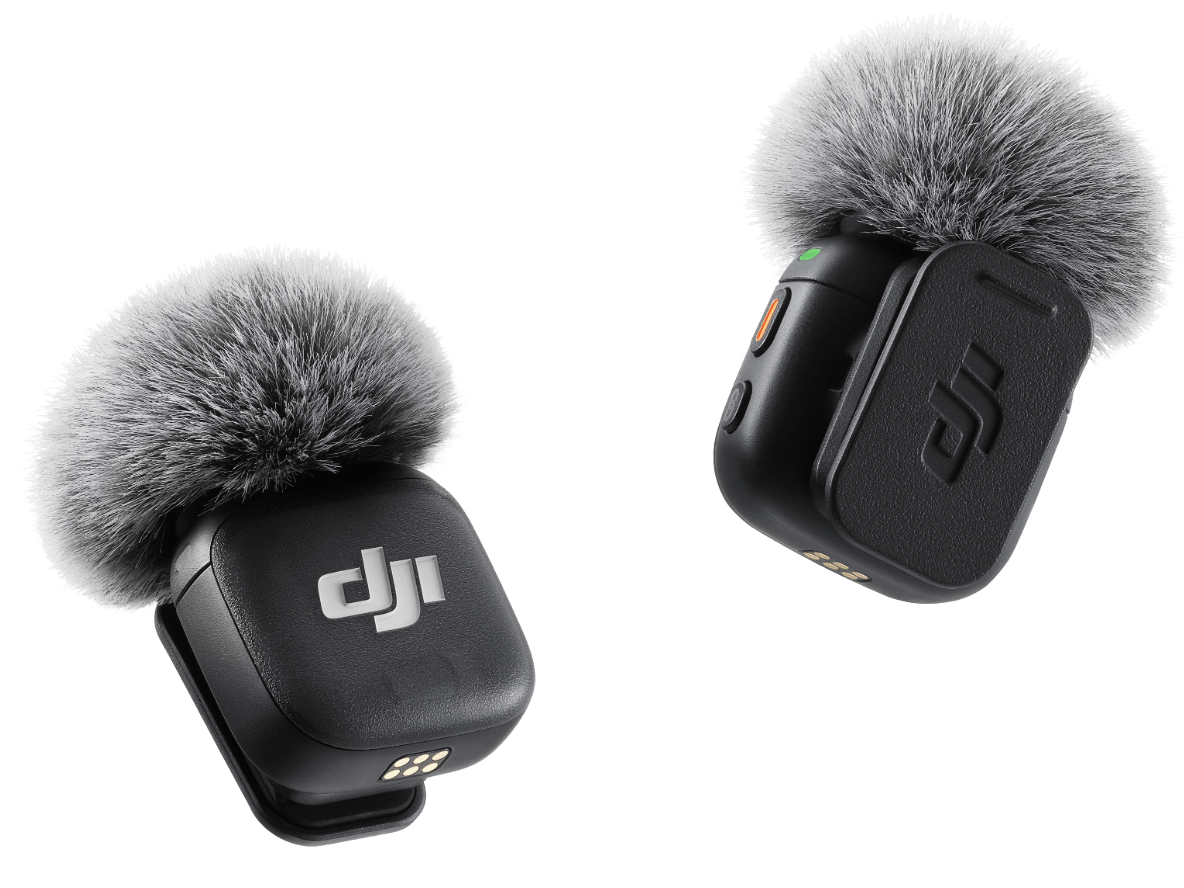
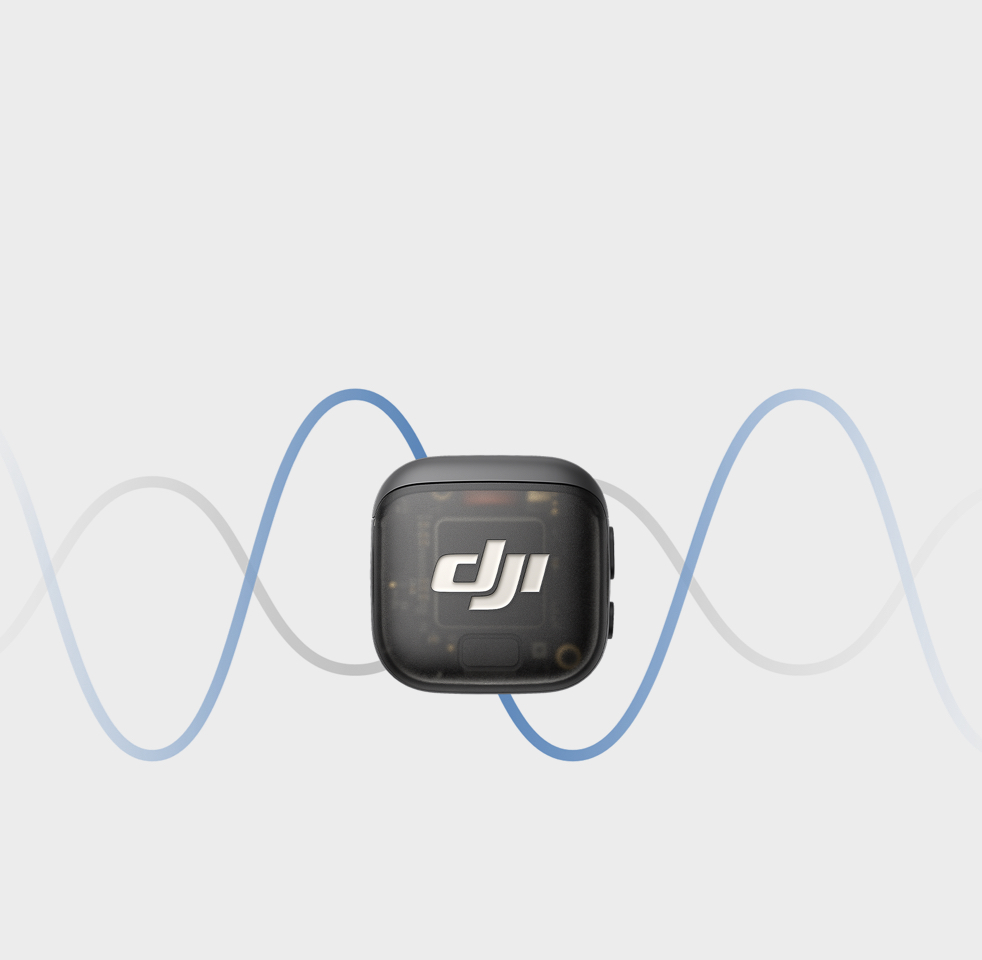
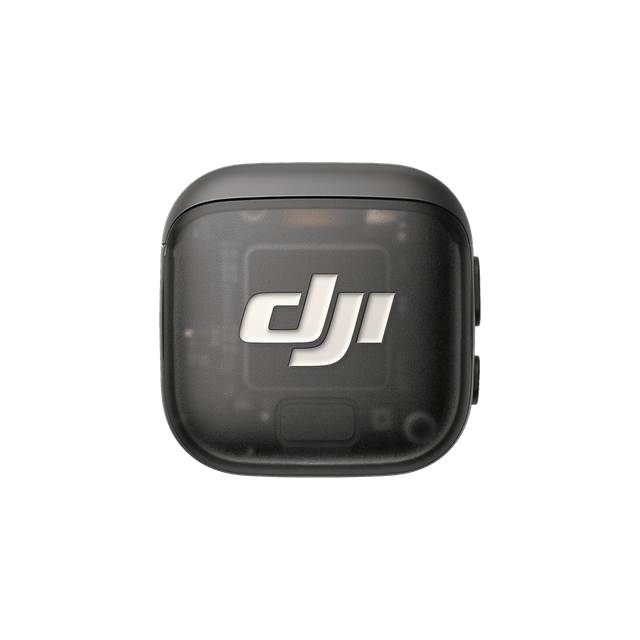
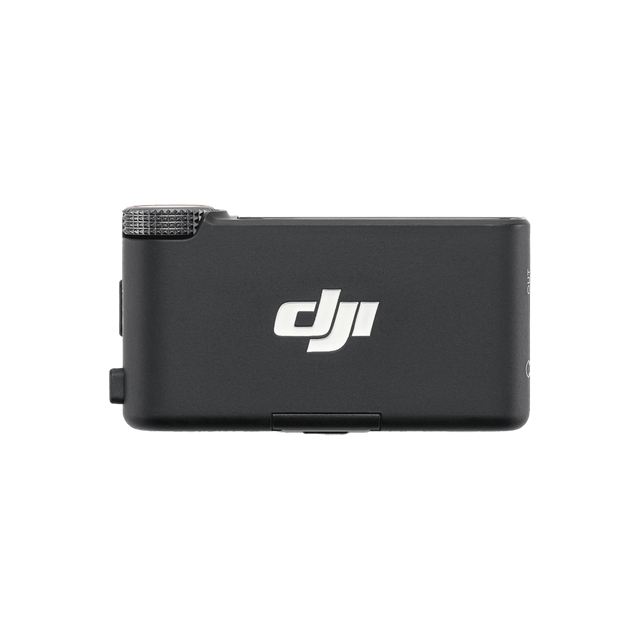
The DJI Mic 3 Transmitter is compact, lightweight, and discreet. It supports both magnetic and clip-on attachment methods. The detachable, rotatable clip allows you to flexibly adjust the microphone angle, whether clipped sideways or inverted, ensuring optimal audio capture in any scenario.
All-In-One, Ready To Go
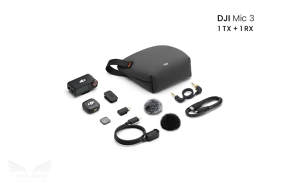
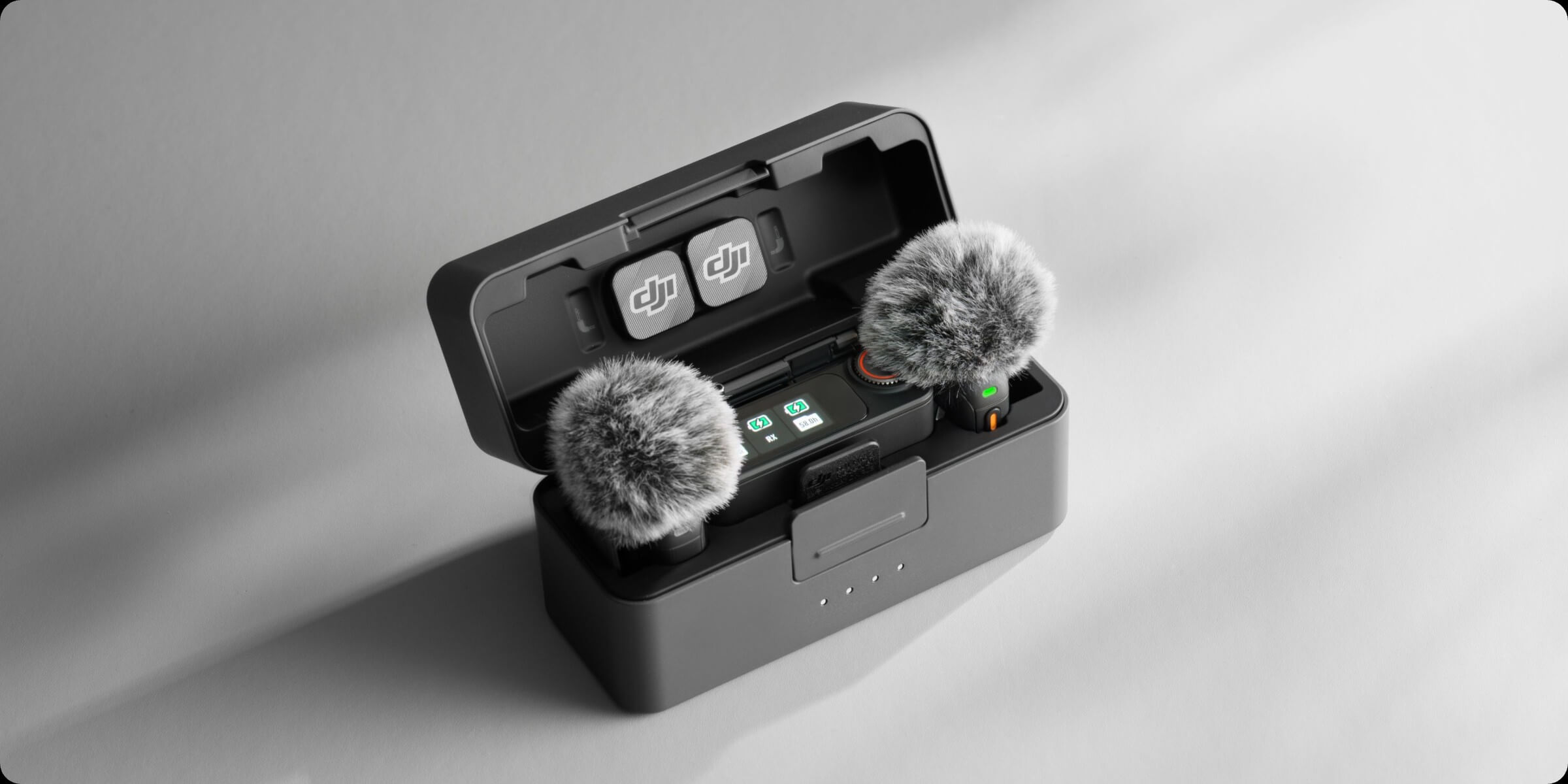
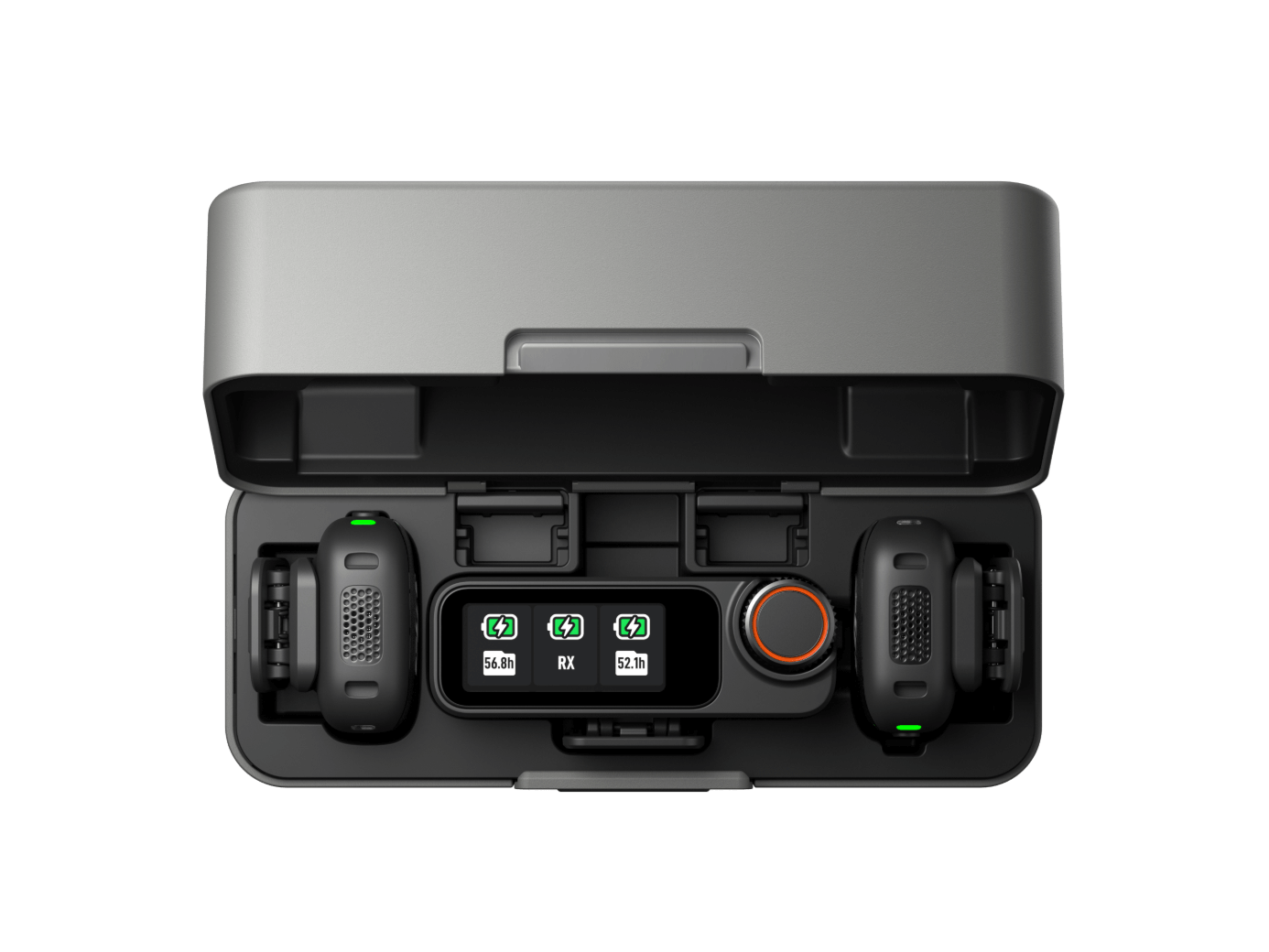
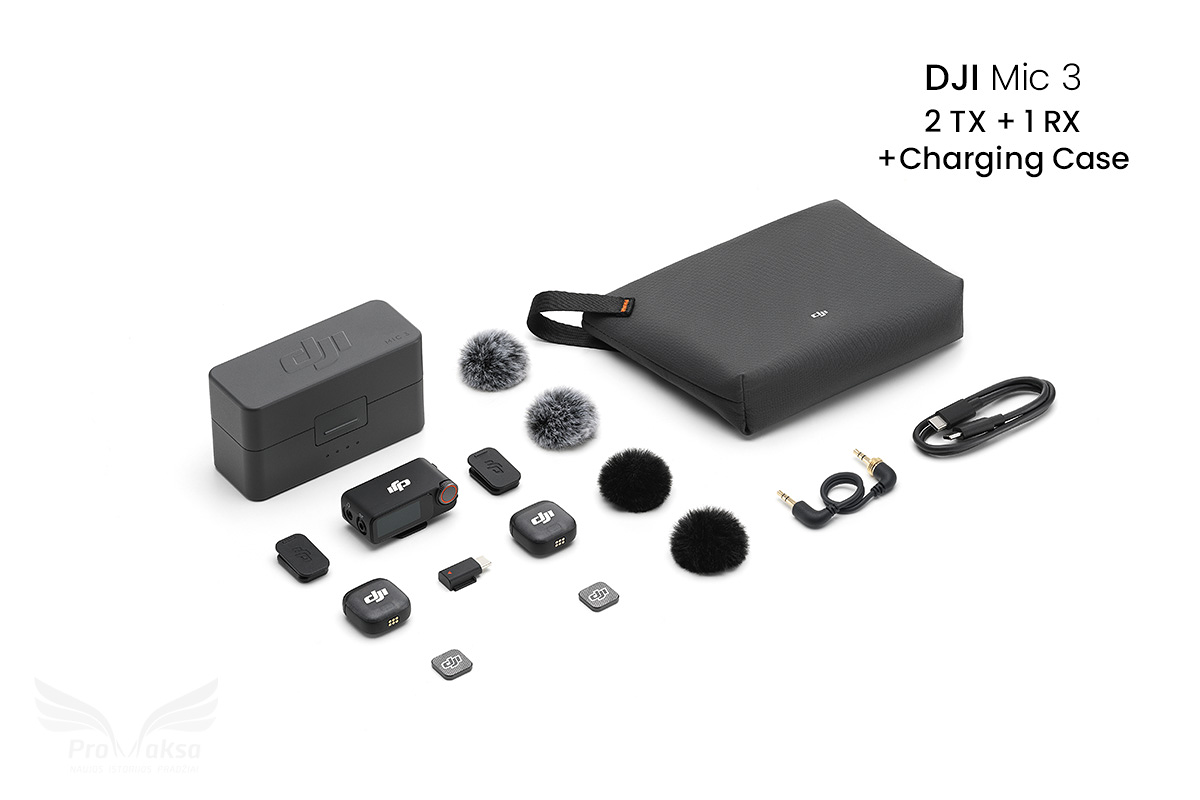
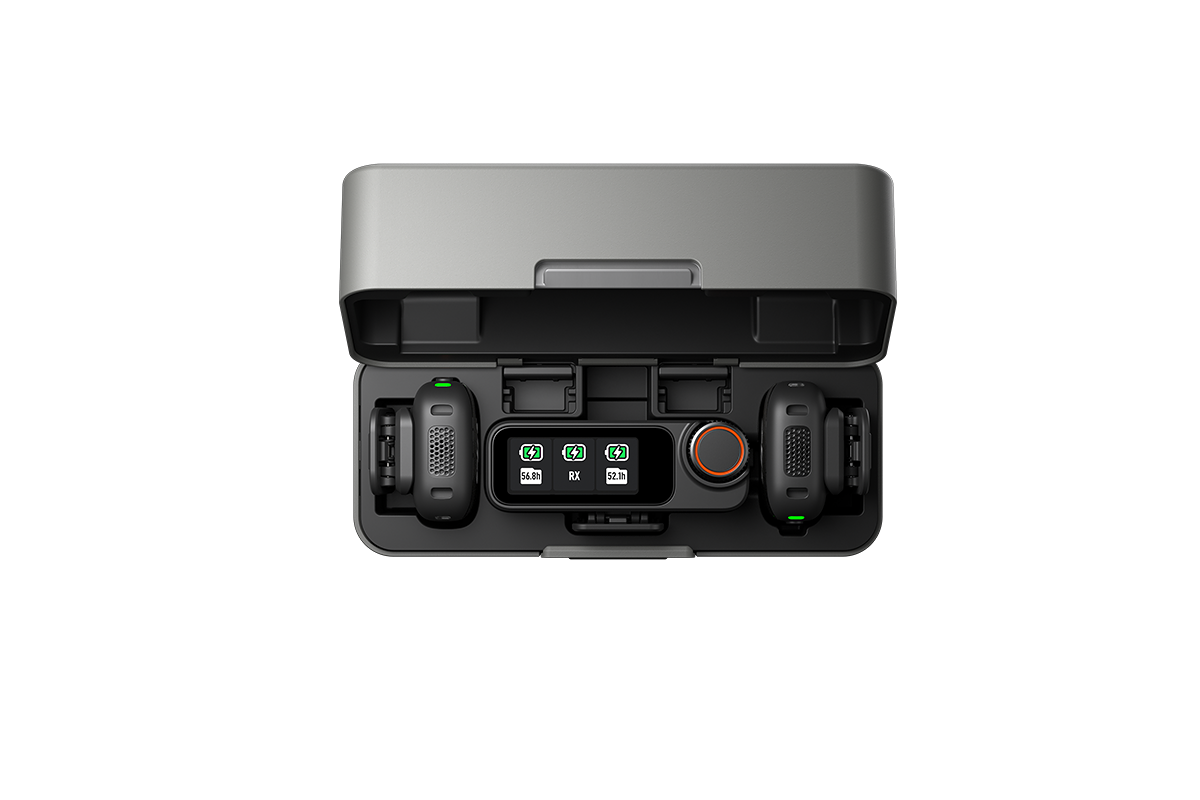
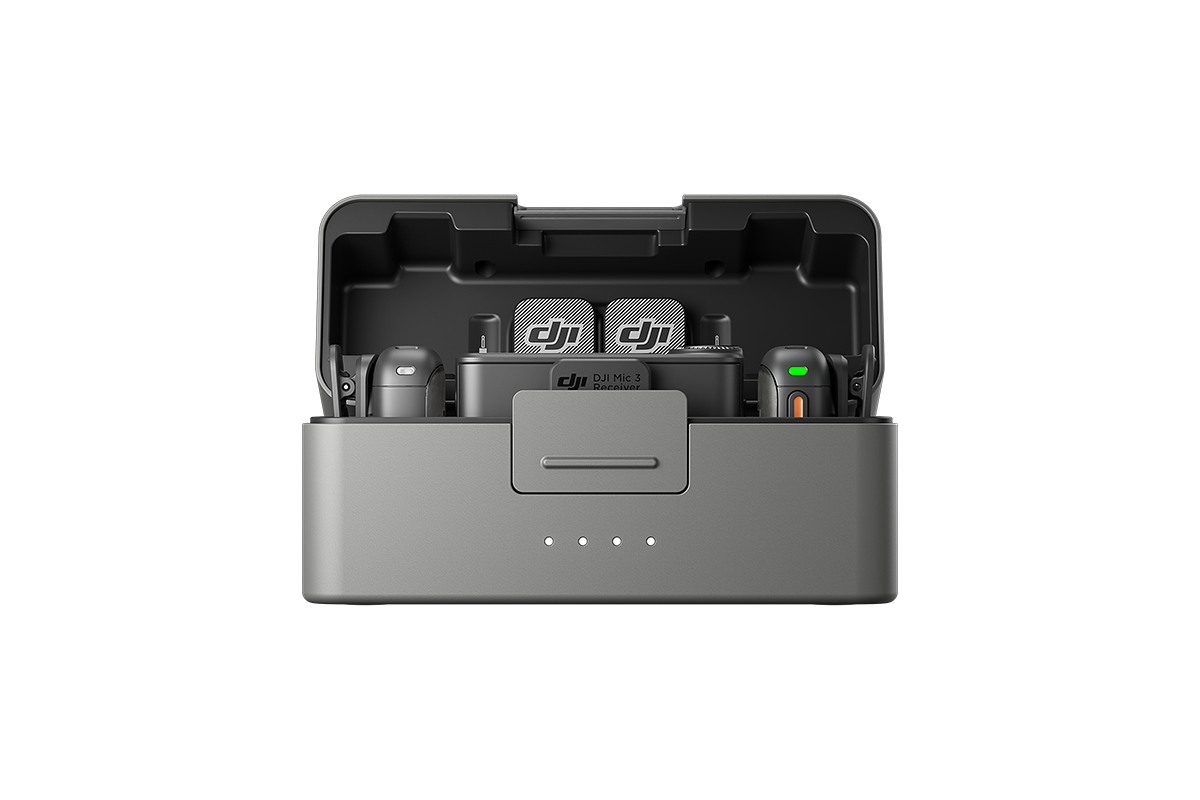
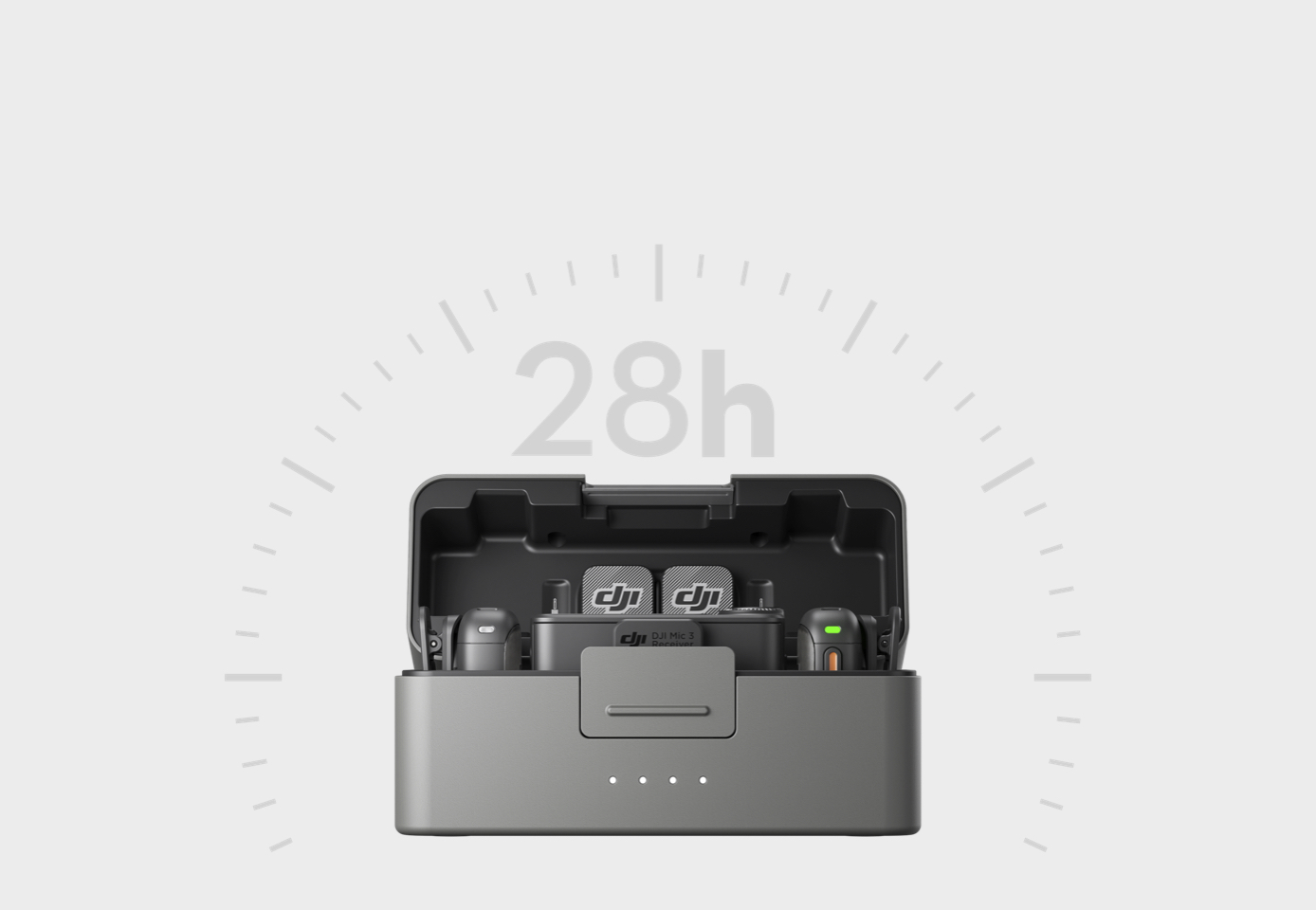
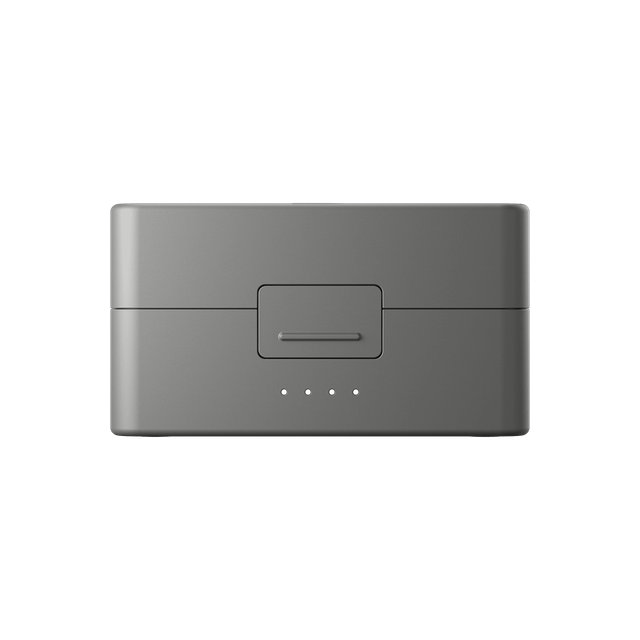
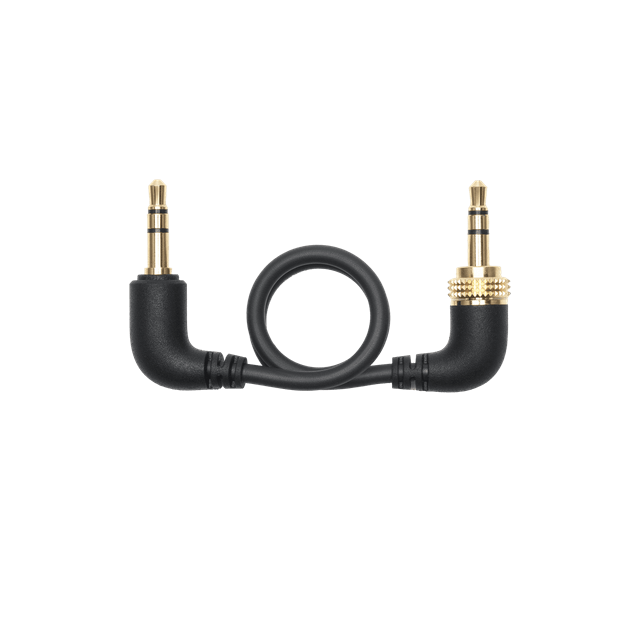
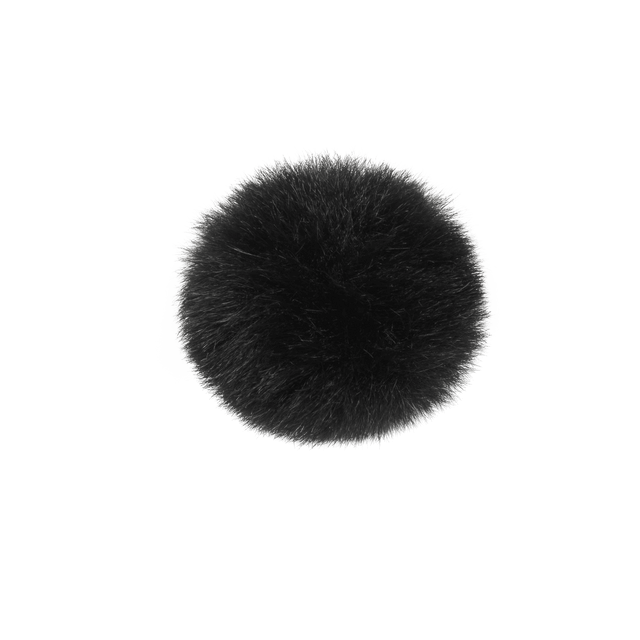
The charging case neatly holds two transmitters and one receiver. Each transmitter fits inside with the windscreen and either the magnet or magnetic clip attached—no need to remove them. When the transmitters are stored with the clips attached, the lid also has space for the magnets and locking audio adapter cable [1], so everything stays organized and ready to go.
Premium Audio, Smarter Experience
Adaptive Gain Control for Balanced Volume [3]

- Automatic
- Dynamic
- Automatic mode effectively prevents audio clipping, making it ideal for outdoor environments with dramatic volume fluctuations, such as sporting events.
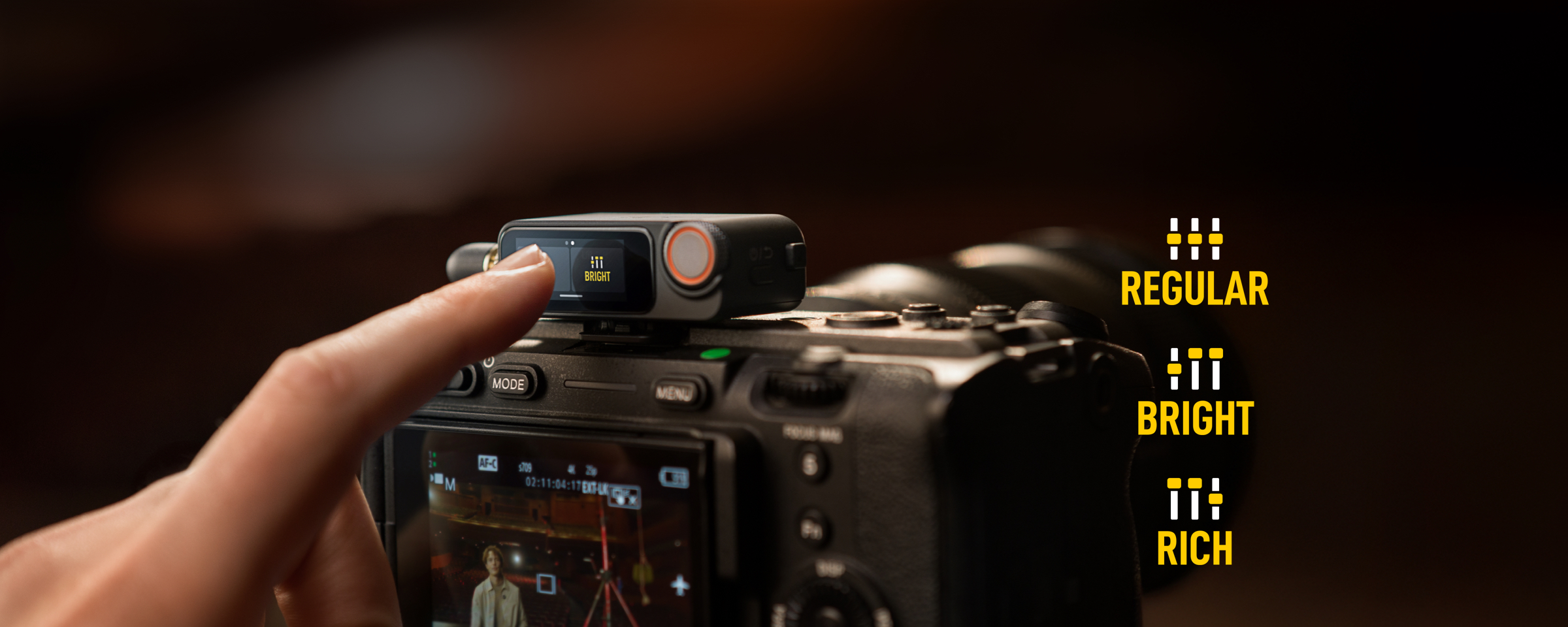
Three Voice Tone Presets To Match Your Style [4]

- Regular
- Rich
- Bright
- Regular is the default setting, offering clean, natural, and balanced audio.
Two-Level Noise Cancelling for Focused Sound [5]

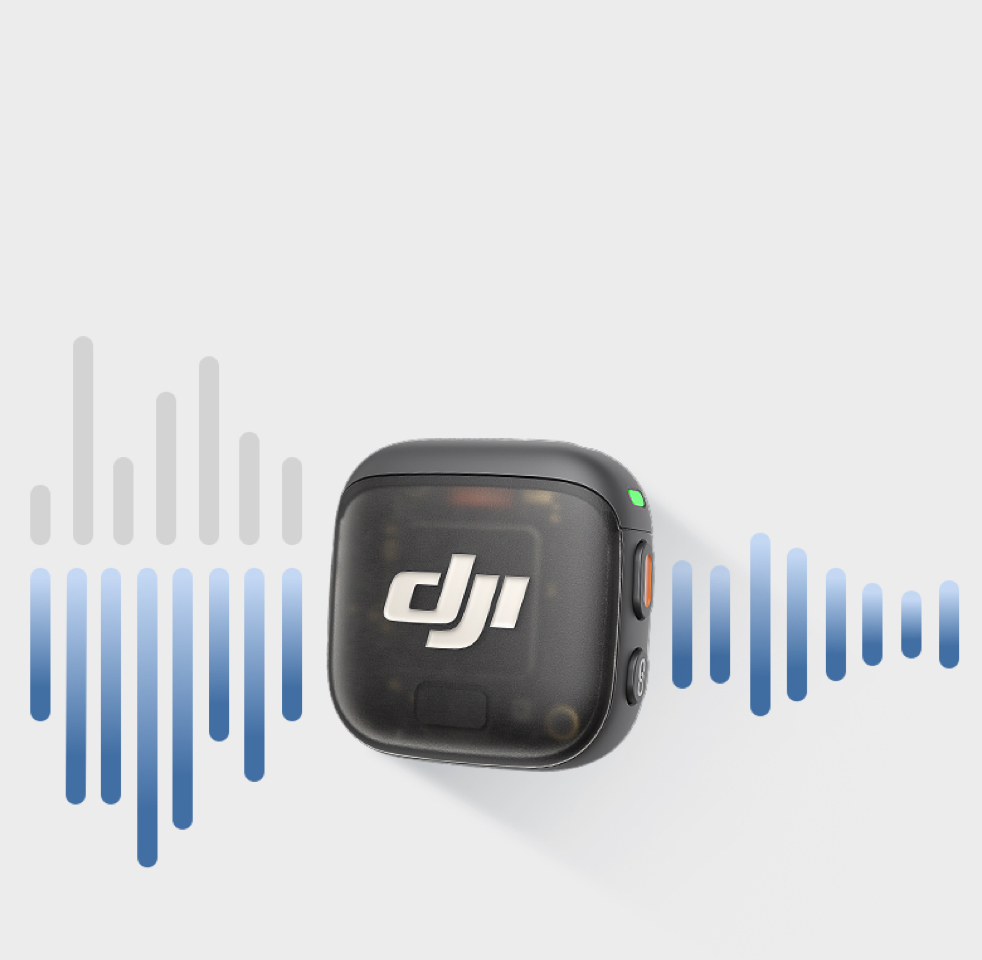
The Basic level is ideal for quiet indoor settings, reducing fan, air conditioning, and reverb noises while preserving vocal clarity.
With the windscreen attached, the transmitter effectively reduces wind noise and other unwanted noise, delivering crisp, clear audio even in windy conditions or noisy environments—ideal for live streaming, vlogging, and more.
Effortless Control, Smooth Operation
- On-Receiver Parameter Adjustment
- App-Based Control & Firmware Updates
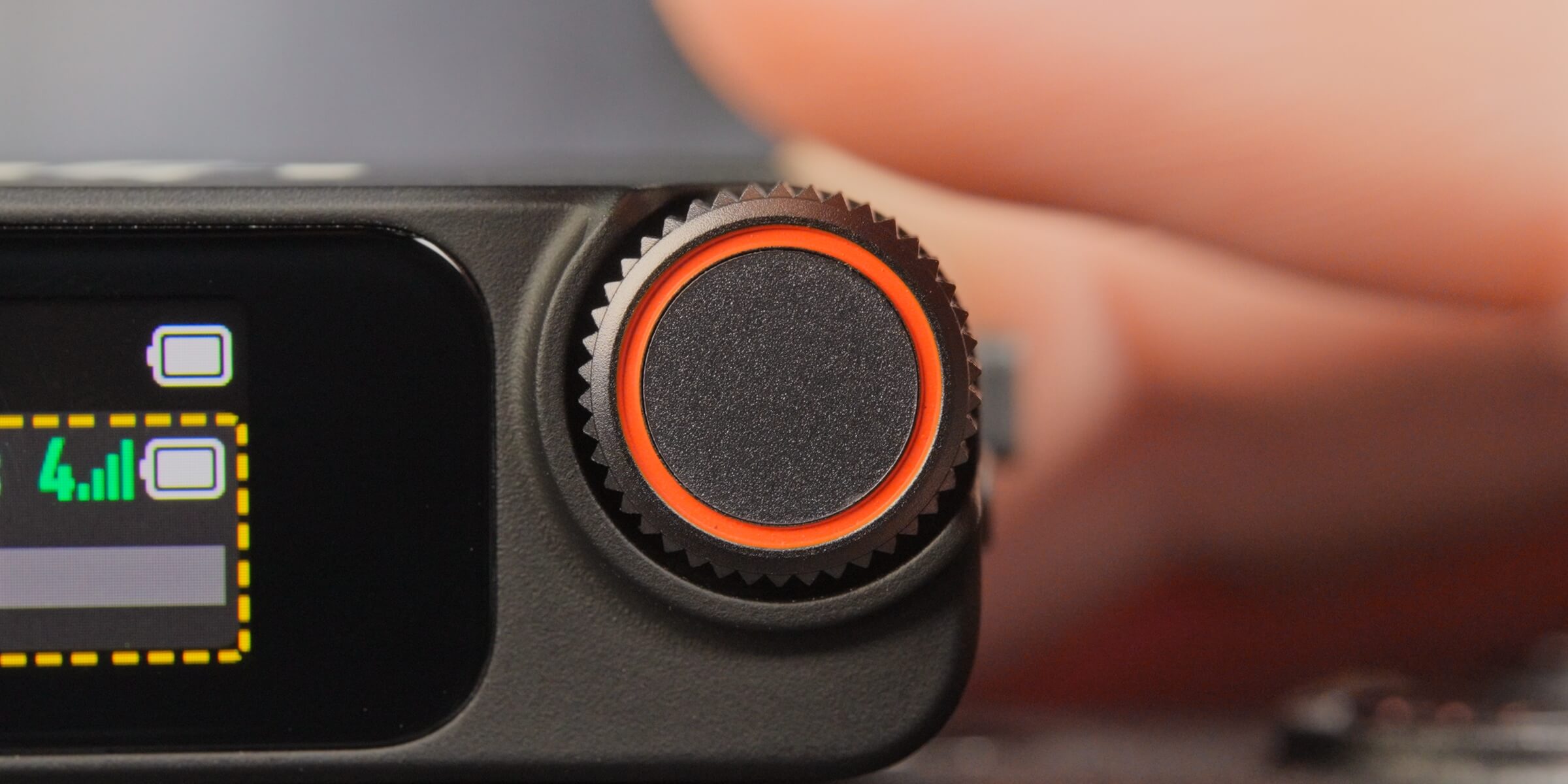
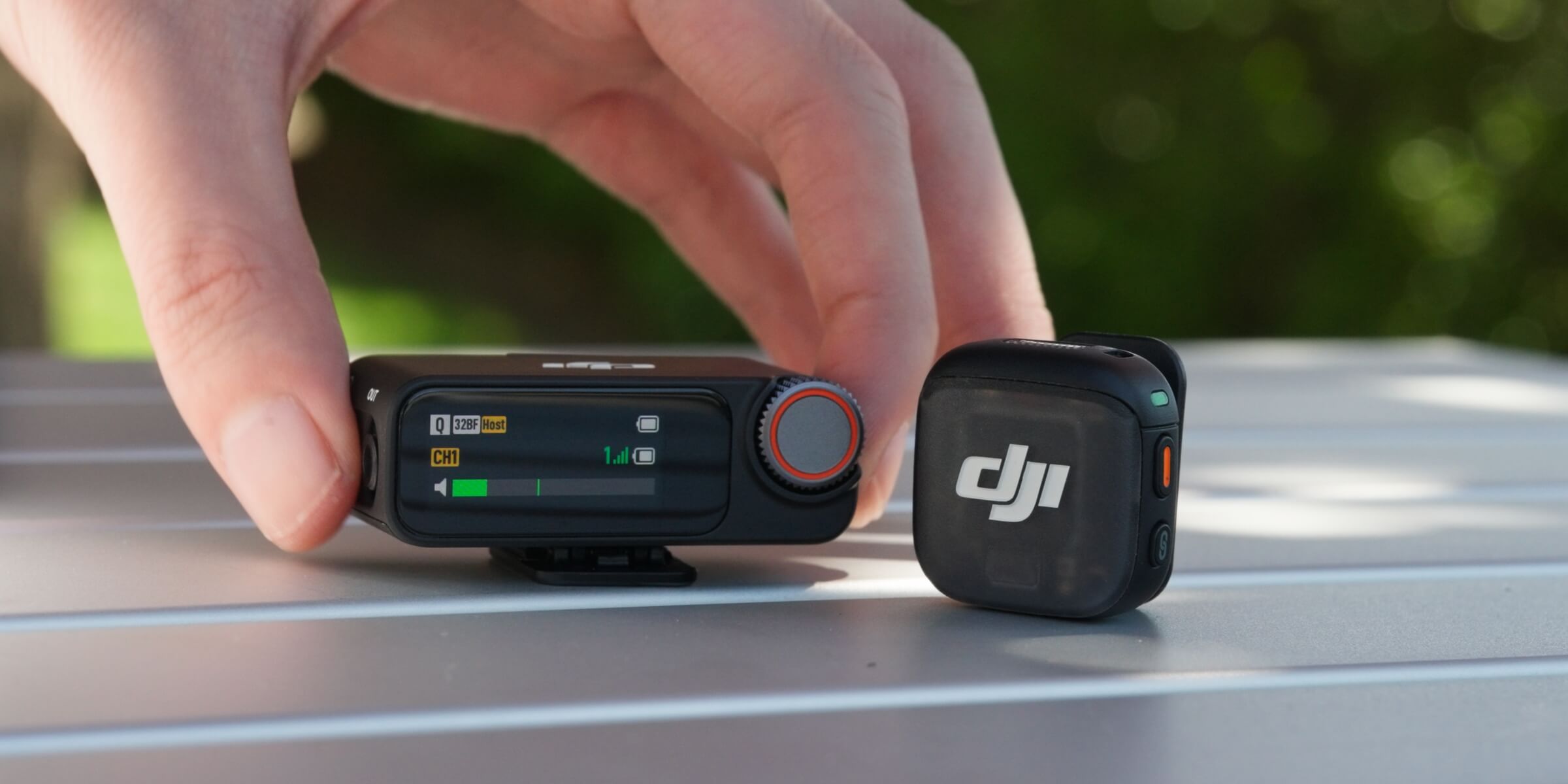
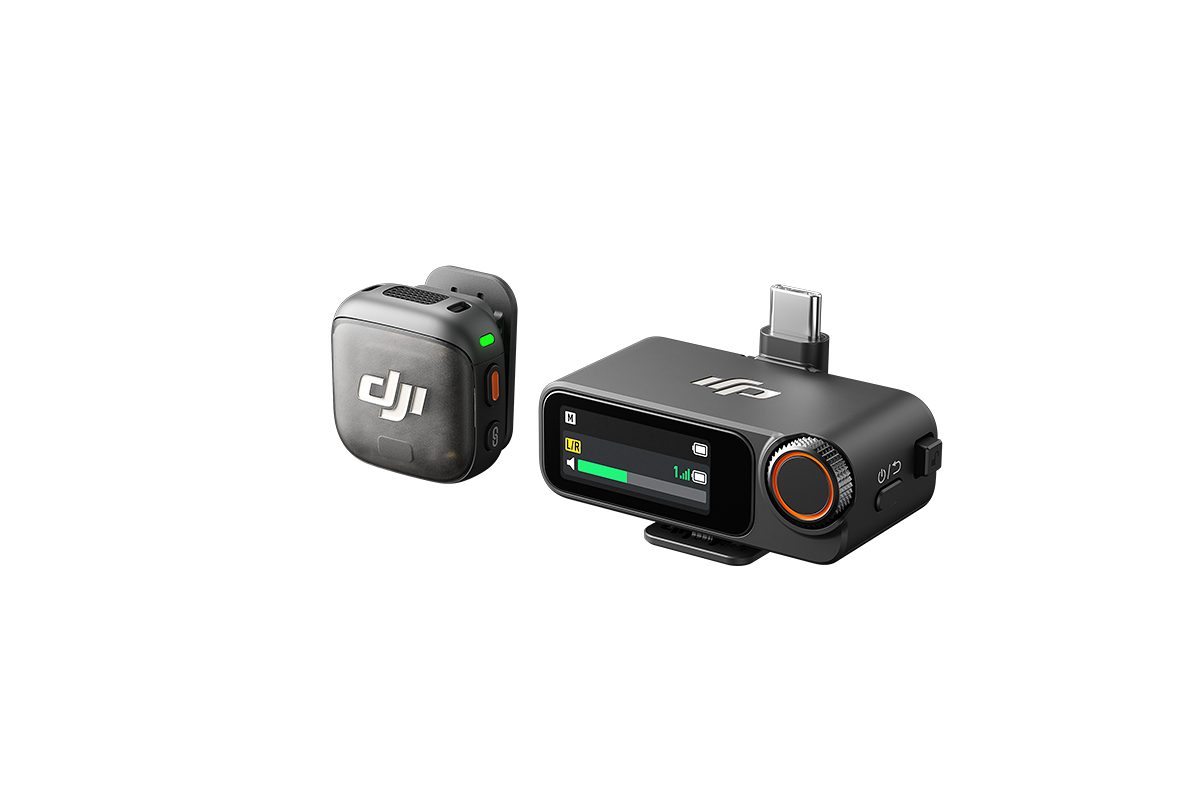
The receiver features a 1.1-inch AMOLED touchscreen and a dial, putting gain, battery status, and modes at your fingertips. Adjust settings quickly and enjoy flexible, efficient operation.
Robust Performance, Endless Possibilities
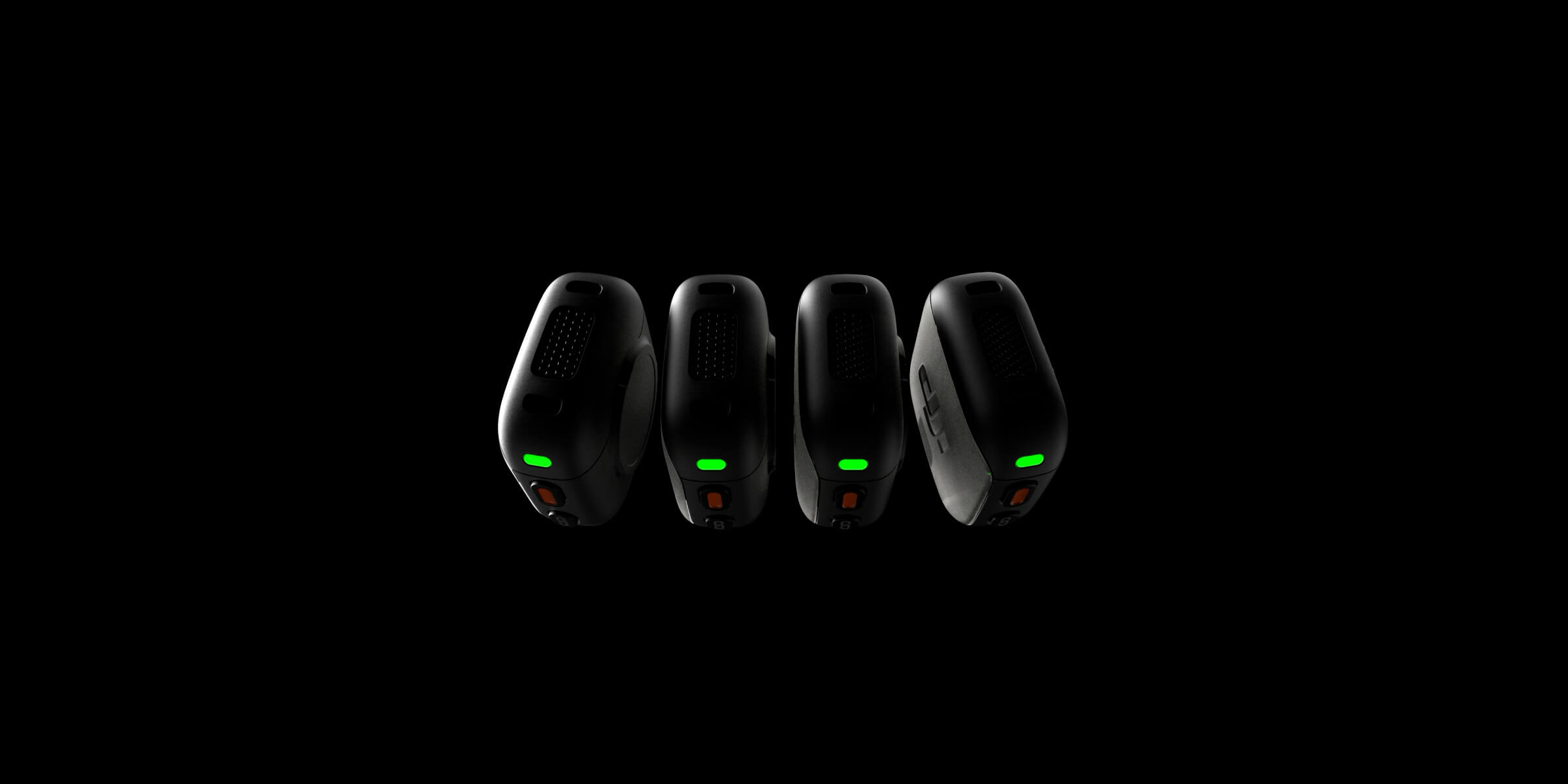
4 TX + 8 RX for Seamless Collaboration [2]
DJI Mic 3's receiver can connect with up to four transmitters at once, letting you capture four audio sources simultaneously. The main receiver can also sync audio to up to seven additional receivers. Whether it's a group interview or a multi-camera production, you'll get crystal-clear audio on every device, making post-production a breeze.
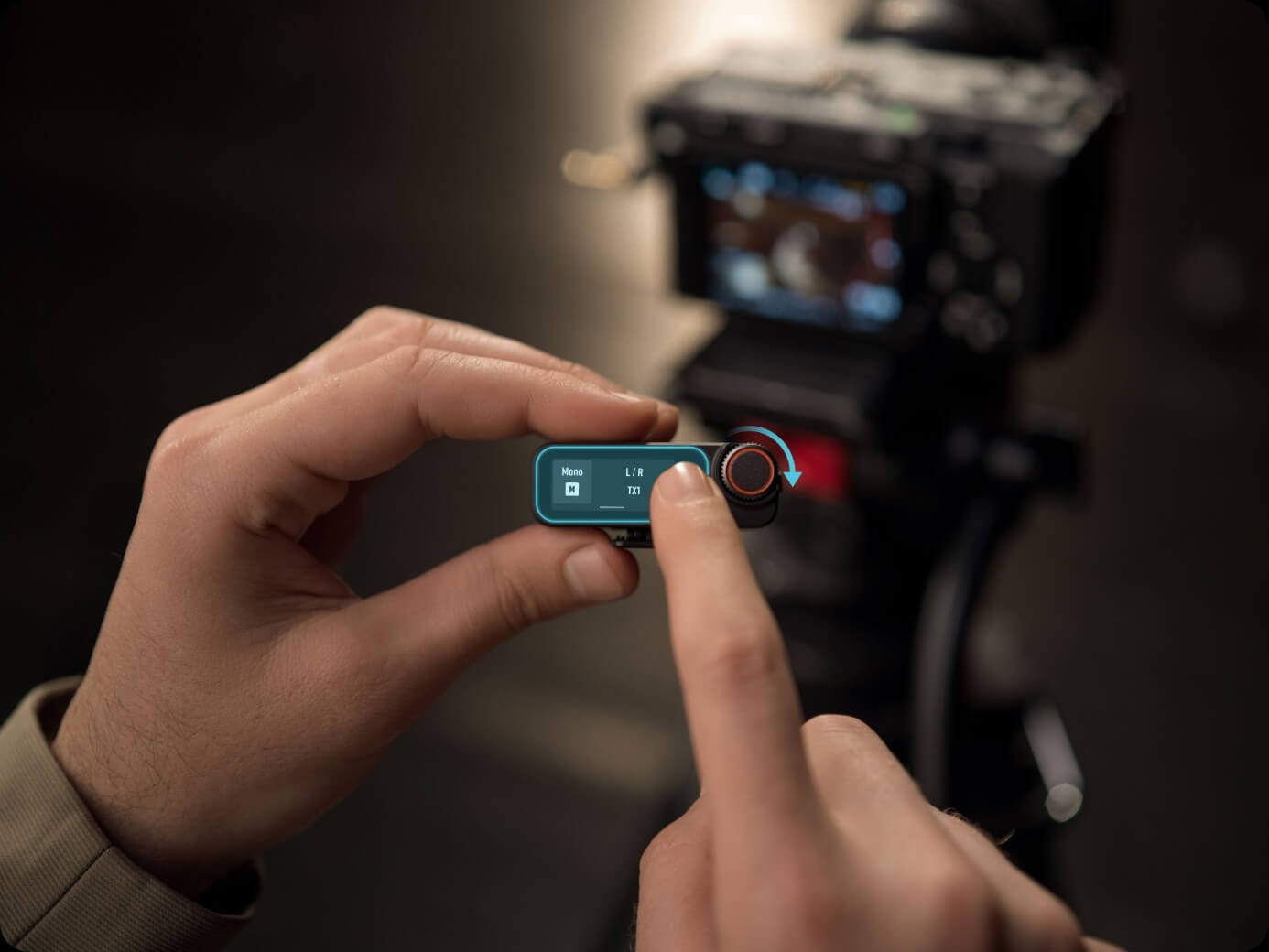
Flexible, Versatile Channel Settings
The receiver lets you choose between Mono and Stereo (dual-channel) modes—output audio from each transmitter separately, or merge them into a single track to suit any creative scenario.
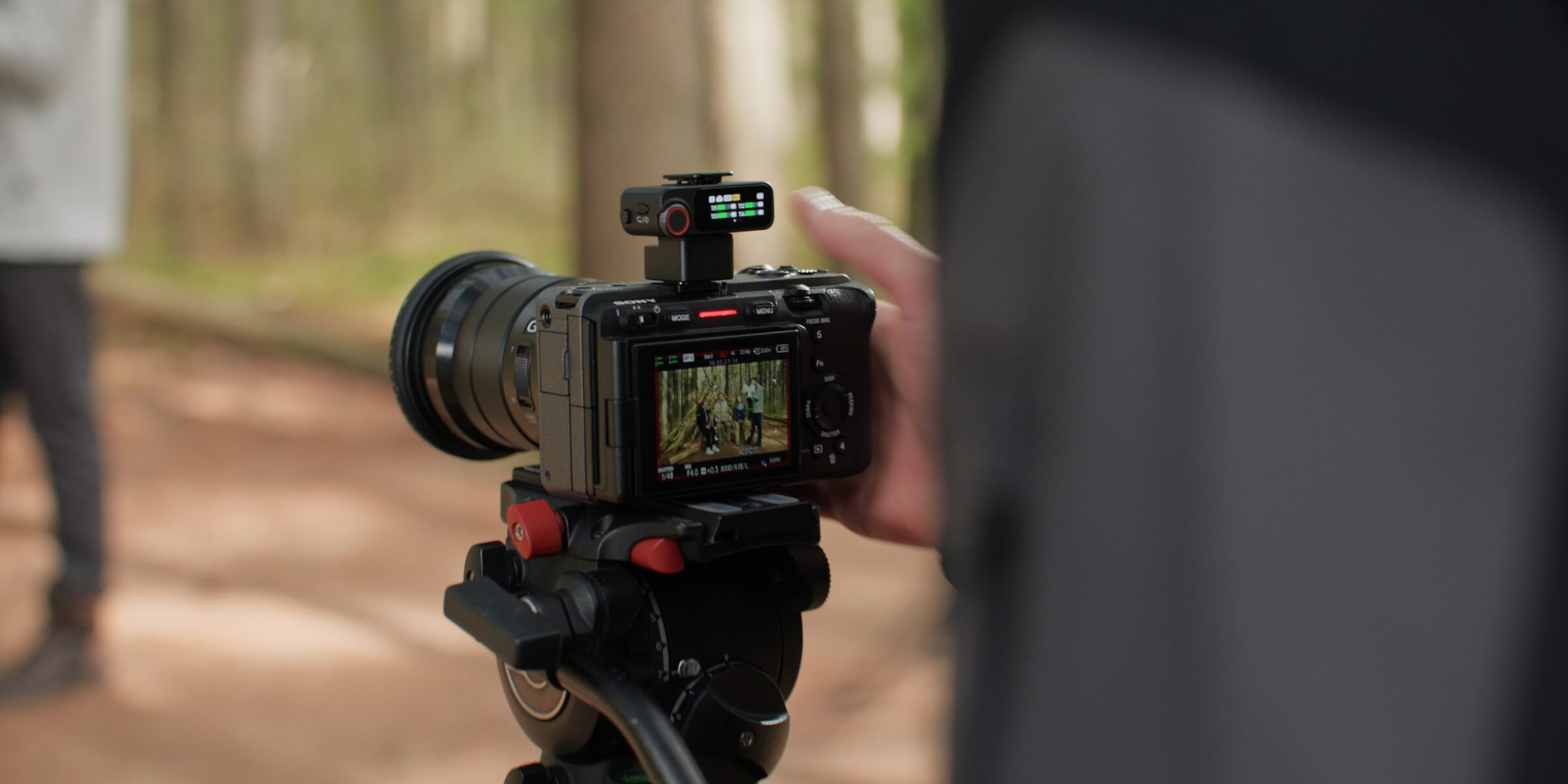
Four-Channel Output [2], Effortless Editing
When set to Quadraphonic mode, the DJI Mic 3 Receiver—paired with select Sony cameras or computer software—supports independent output of four audio tracks. This enables precise track separation and flexible mixing, giving you greater creative freedom in post-production.

Dual-Band Reliability, Rock-Solid Transmission
DJI Mic 3 supports automatic frequency hopping between 2.4 GHz and 5 GHz bands [6], with a transmission range of up to 400 meters [7]. Its robust anti-interference capabilities ensure stable audio transmission, even in complex wireless environments like trade shows.
Lossless Transmission, Pristine Audio
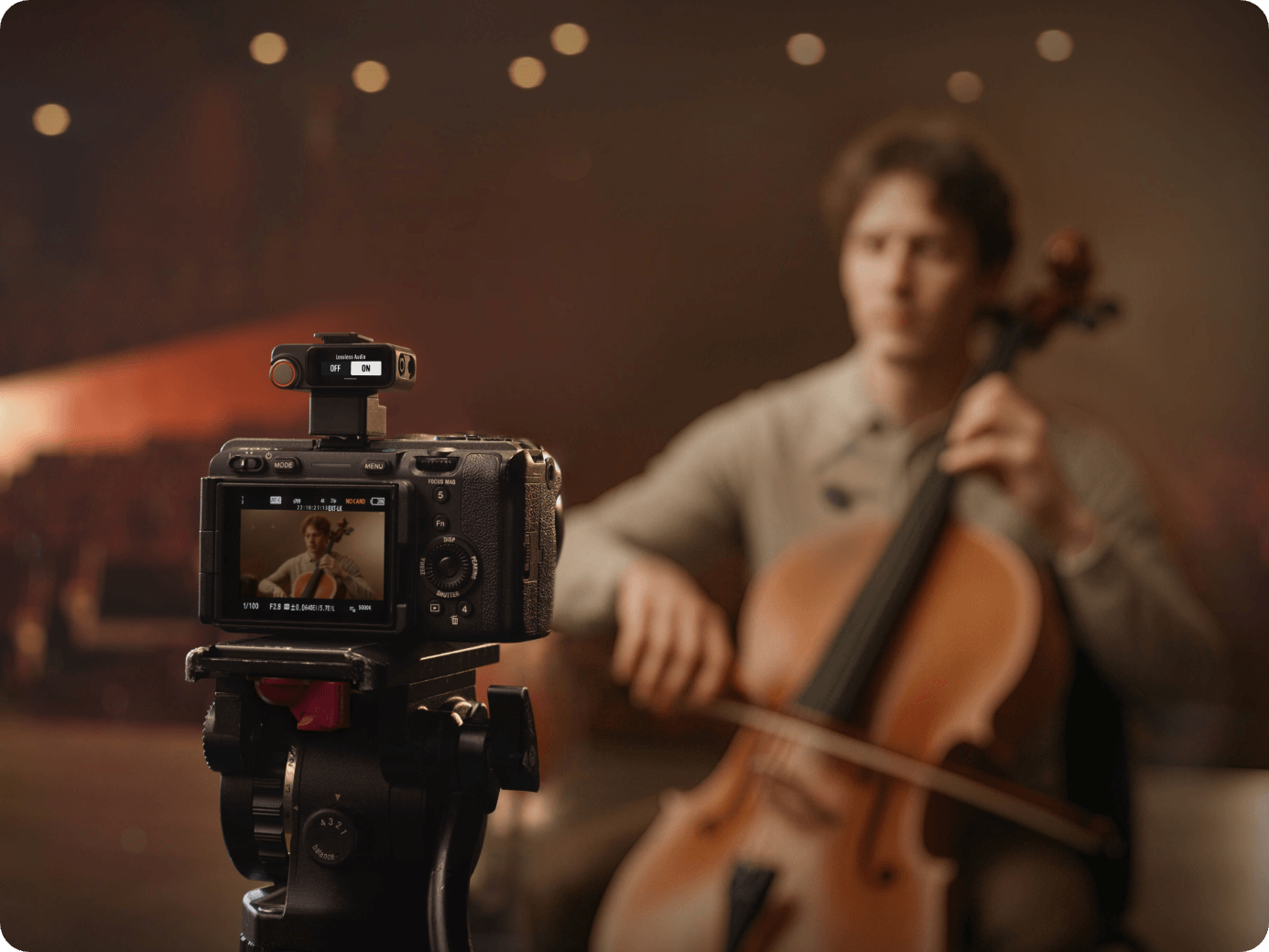
With Lossless Audio enabled [8], the transmitter delivers uncompressed 48kHz 24-bit audio directly to the receiver. This ensures every recording is captured in stunning, high-fidelity detail.
Dual-File 32-bit Float Internal Recording
Internal Recording
Never worry about lost audio—internal recording protects your material from wireless interference or device failures. With dual-file internal recording, DJI Mic 3 saves both the original track and an algorithm-enhanced version at once [9], streamlining your workflow and keeping your creative process smooth.
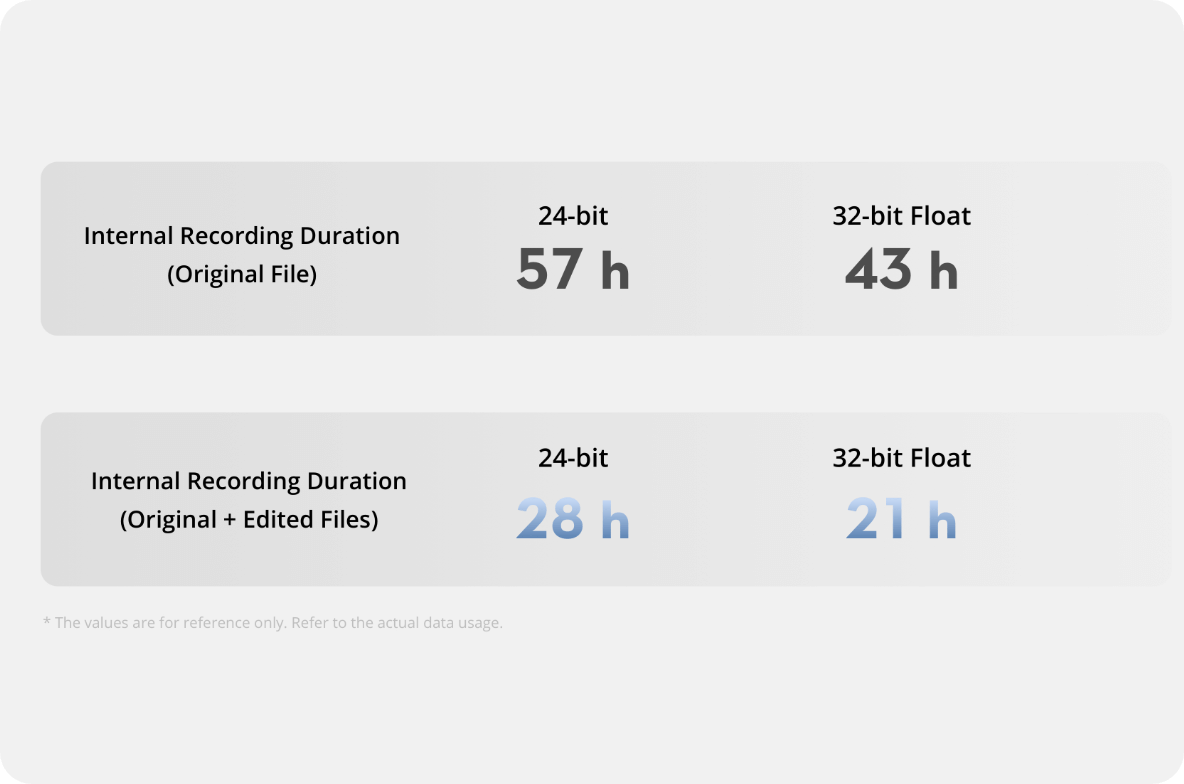
32-bit Float Internal Recording
With support for 32-bit float internal recording, DJI Mic 3 provides a high dynamic range that not only delivers high-quality recording but also adapts better to complex sound environments. It excels in capturing every nuance of a voice, from quiet whispers to booming decibel levels, providing greater reliability in erratic noise scenarios and more flexibility in post-production.

Built-in Timecode for Precise Sync
DJI Mic 3 offers high-precision timecode support [10], with the transmitter embedding timecode data during internal recording and the receiver supporting both timecode input and output. With less than one frame of drift over 24 hours [11], you can instantly align multi-camera footage in post-production, making editing faster and more efficient.
Hassle-Free File Export
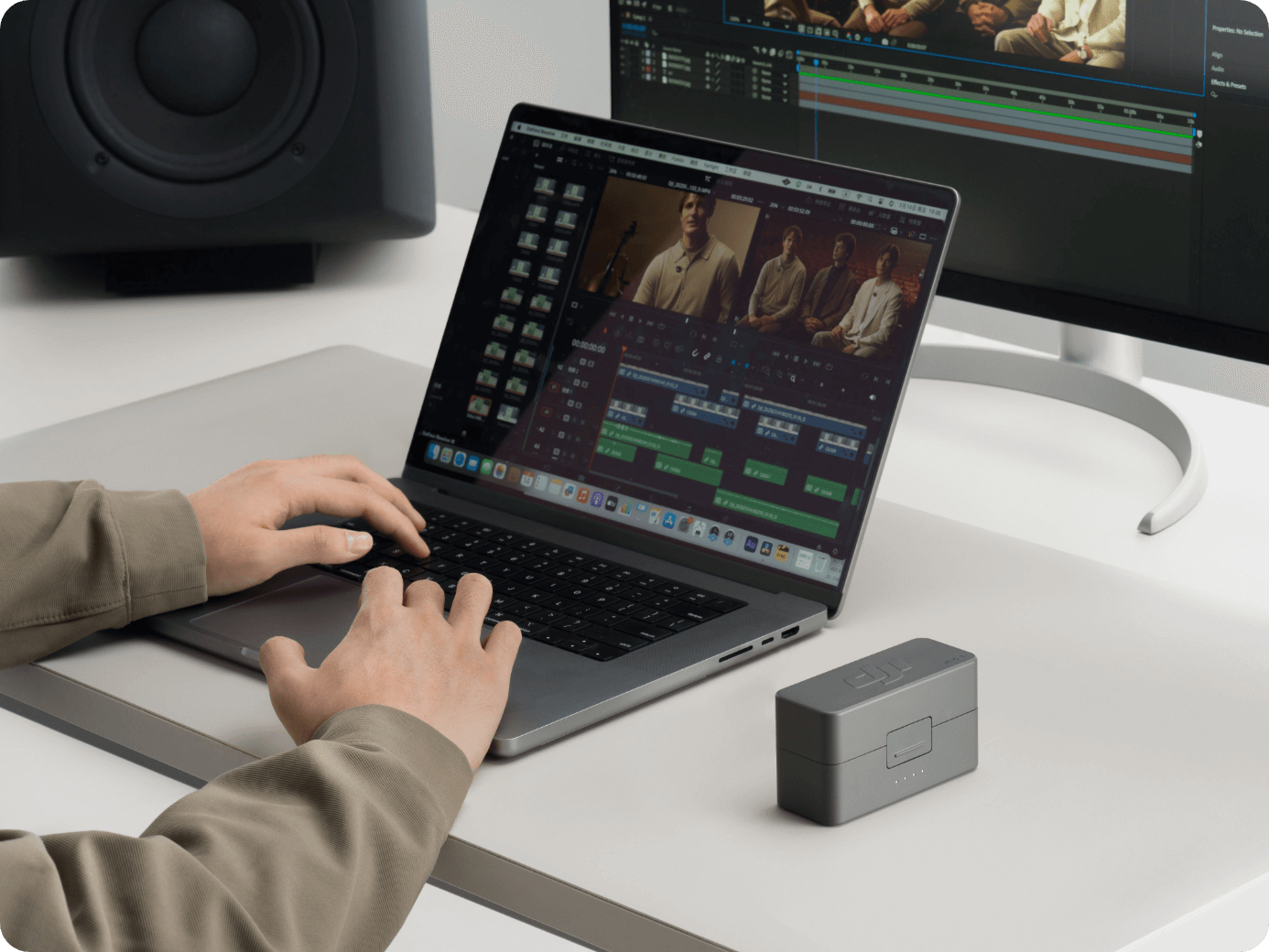
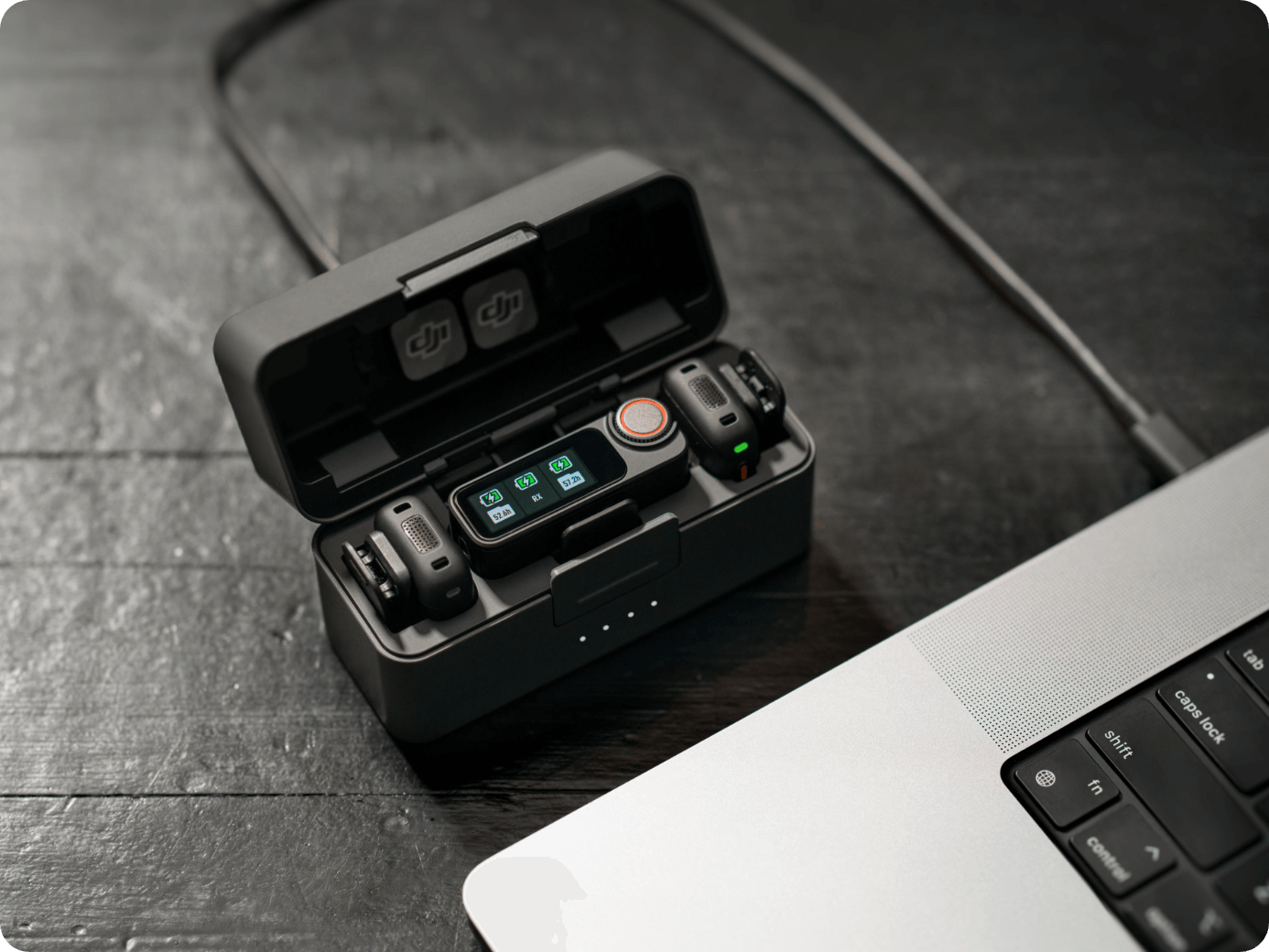
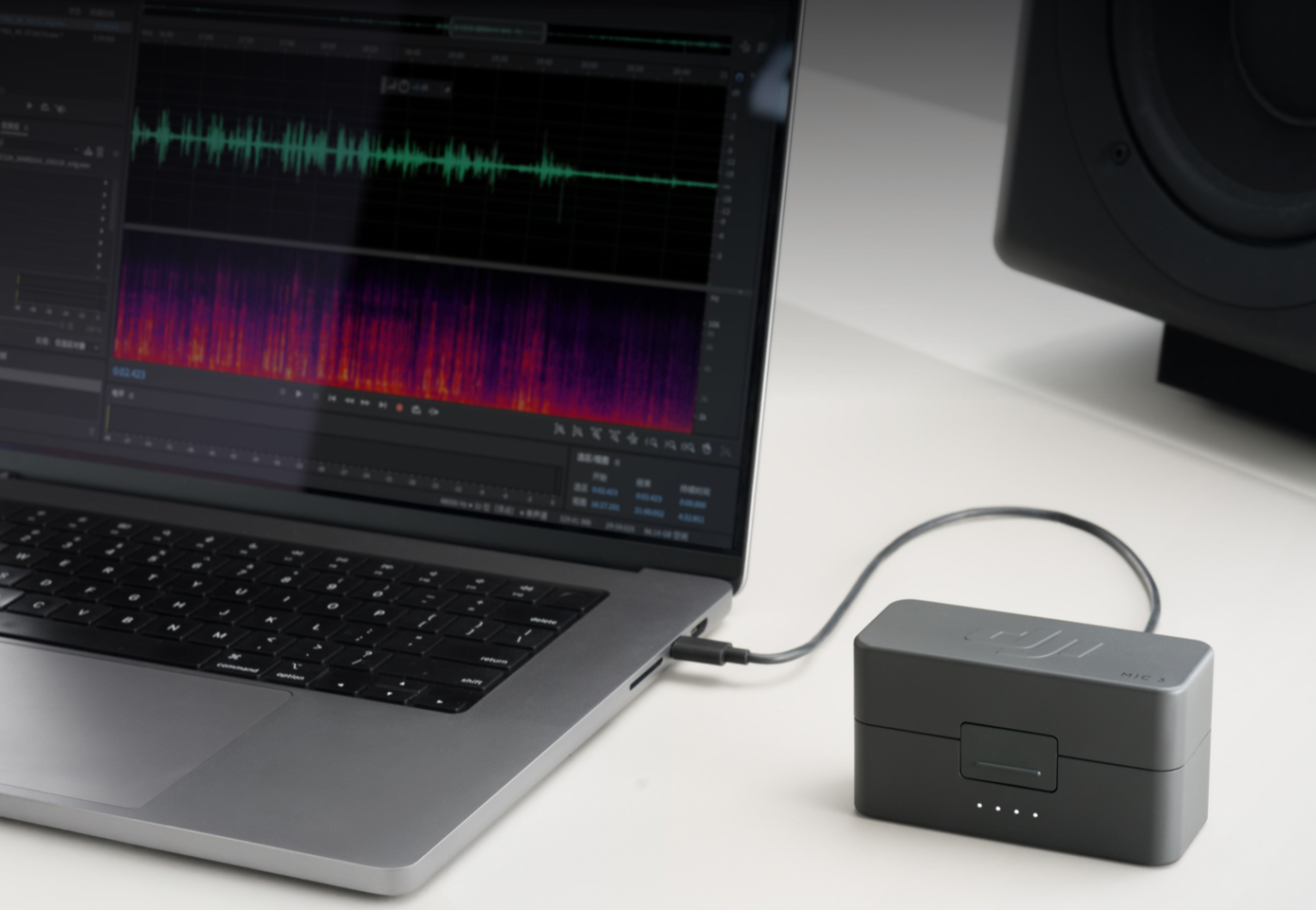
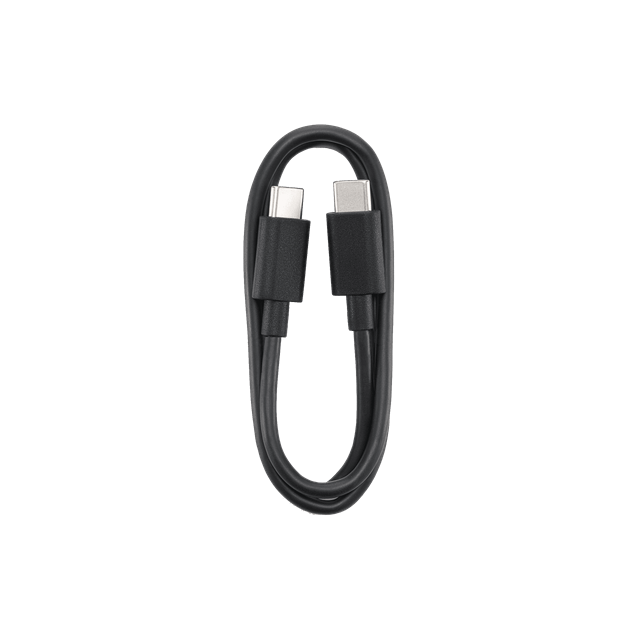
When you're done shooting, simply use the charging case and USB-C data cable to connect both transmitters to your computer or smartphone [12]. Instantly transfer all your internally recorded files in one go—editing and sharing couldn't be easier. You can also connect a transmitter to the DJI Mimo app to download audio files, offering flexible export options to suit your needs.
All-Day Power, Worry-Free Creation
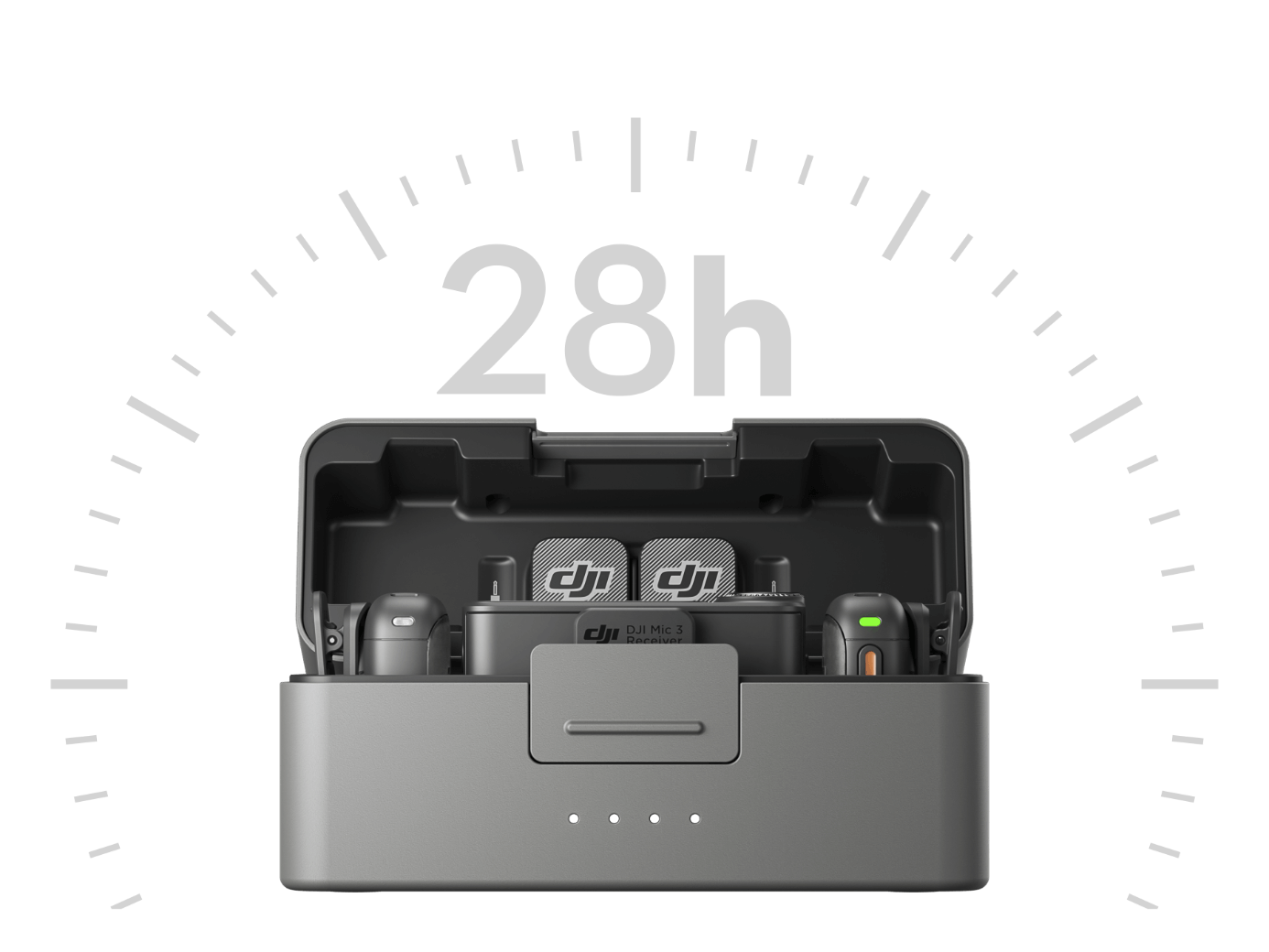
28-Hour Extended Battery Life [13]
A transmitter lasts up to 8 hours [14], and a receiver up to 10 hours [14]. A fully charged charging case provides about 2.4 full charges to achieve a total of 28 hours of extended use [13]. Easily handle long video shoots and live streams without worrying about running out of power.
5-Minute Quick Charge
Charge for just 5 minutes and get up to 2 hours of use [15] from the transmitter and receiver—ideal for a quick power boost. With 3C fast charging support, a full charge takes only about 50 minutes [16], so you can get back to creating in no time.
- 5minutes to charge
- 2hours of use
Multiple Intelligent Power-Saving Features
- Auto Power-Saving [17]
- Auto Power-Off
- Auto On/Off With Camera
- Use While Charging
The transmitter automatically enters sleep mode when it doesn't detect a signal from the receiver. It will wake up and reconnect to the receiver once the signal is detected again. This feature allows you to wear the transmitter for extended periods without needing to frequently power it on and off.
Connect Instantly, Create Freely
- DJI OsmoAudio™ Direct Connection
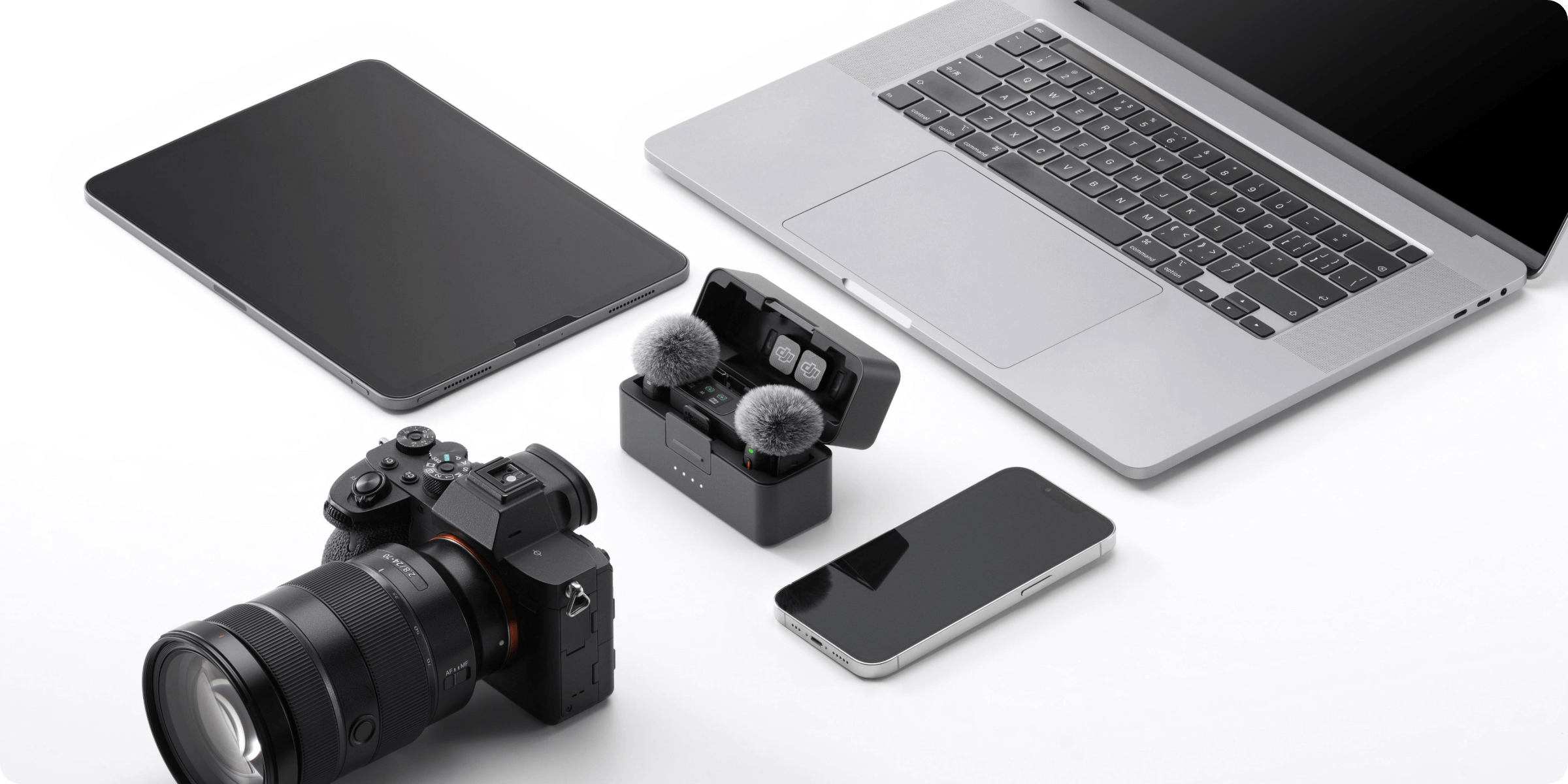
- Wide Device Compatibility
- Bluetooth Direct-To-Phone [20]
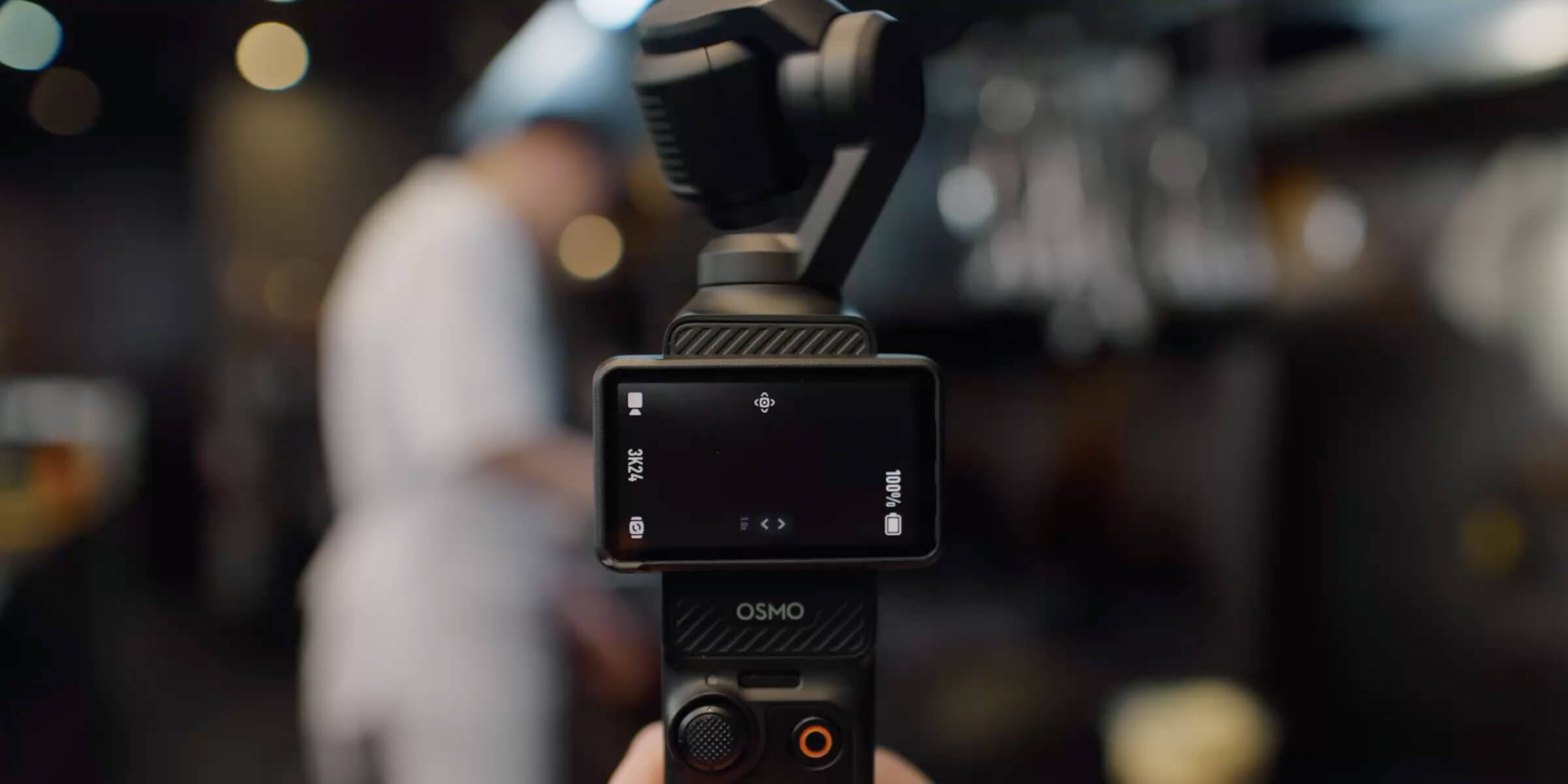
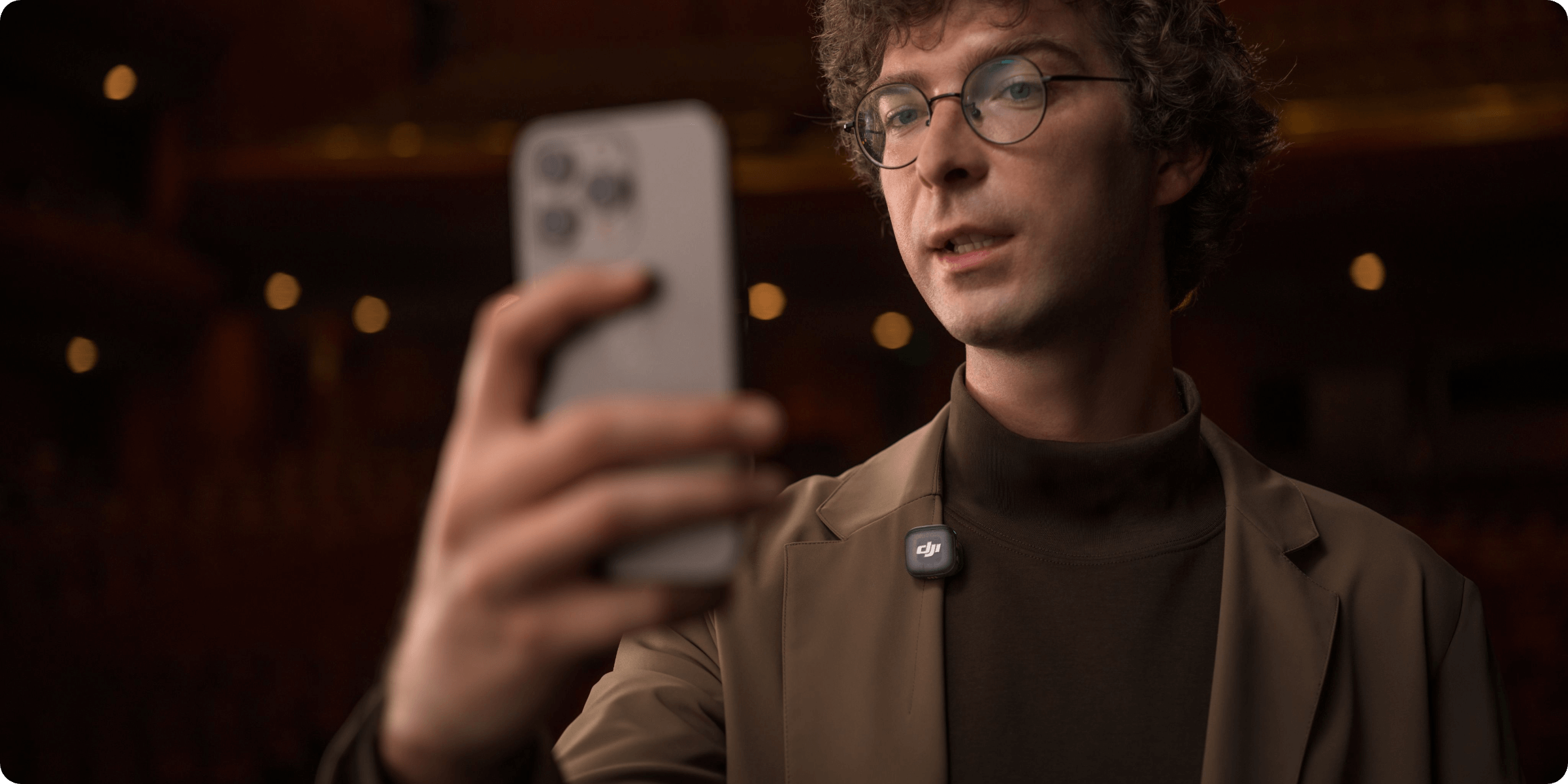
The transmitter supports direct connection to Osmo 360, Osmo Action 5 Pro, Osmo Action 4, or Osmo Pocket 3 without a receiver [19]. The DJI OsmoAudio™ connection ecosystem delivers premium audio, simplifying your gear and workflow for a more efficient creative process.
_______________________________
* All of the above data was collected in a controlled environment. Actual experience may vary. For usage settings and suggestions, refer to the official DJI product page.
1. When storing accessories in the charging case, avoid stacking to prevent receiver screen damage.
2. To achieve the 4TX + 8RX setup or four-channel output, additional accessories must be purchased separately. The four-channel output feature is only supported by certain Sony camera models (requiring the DJI Mic Series Camera Adapter) and certain computer software (via USB output). For details, refer to the compatibility list on the Downloads page of the official DJI Mic 3 website.
3. The Adaptive Gain Control feature can be configured via the receiver or the DJI Mimo app, and it is turned off by default.
4. The Voice Tone Preset modes can be selected via the receiver or the DJI Mimo app, with the default set to Regular.
5. The Noise Cancelling feature is turned off by default but can be activated and set to either Strong or Basic level through the receiver, DJI Mimo app, or device directly connected via the OsmoAudio™ ecosystem. When using the receiver with multiple transmitters, you can adjust the noise cancelling settings for each transmitter individually or for all transmitters simultaneously. When an Osmo 360, Osmo Action 5 Pro, Osmo Action 4, or Osmo Pocket 3 is connected directly via OsmoAudio™, settings can be adjusted on the product interface. When the transmitter is directly connected to a smartphone, the settings can be adjusted within the Mimo app.
6. Operating frequency allowed varies among countries and regions. Refer to local laws and regulations for more information.
7. Measured using DJI Mic 3 (2 TX + 1 RX + Charging Case), with Lossless Audio off, in an open, unobstructed environment free of interference.
8. When Lossless Audio is enabled, the transmitter's battery life will decrease by approximately 2 hours under nominal operating conditions, and the maximum transmission range will be reduced by approximately 50%.
9. Algorithm-based enhancements include voice tone presets, low cut, noise cancellation, and adaptive gain control.
10. For details on supported timecode modes, frame rates, and timecode output formats, refer to the FAQ page on the official DJI Mic 3 website.
11. Measured using DJI Mic 3 (2 TX + 1 RX + Charging Case) in an environment free of electromagnetic interference, with continuous power supplied to the transmitters and receiver following timecode synchronization and throughout 24 hours of continuous recording.
12. For a list of compatible devices, refer to the Downloads page on the official DJI Mic 3 website.
13. Measured using DJI Mic 3 (2 TX + 1 RX + Charging Case) paired with a fully charged charging case, with features such as noise cancellation and internal recording off, during close-range audio recording under interference-free conditions, with both transmitters connected to the receiver and the receiver connected to a camera via the 3.5mm audio cable.
14. Measured using DJI Mic 3 (2 TX + 1 RX + Charging Case), with features such as noise cancellation and internal recording off, during close-range audio recording under interference-free conditions, with both transmitters connected to the receiver and the receiver connected to a camera via the 3.5mm audio cable.
15. Measured in a controlled environment with the transmitters and receiver battery levels below 25%, using a charger of 5V output, with noise cancellation off, during close-range audio recording under interference-free conditions, with both transmitters connected to the receiver, and the receiver connected to a camera via the 3.5mm audio cable.
16. Data was collected in a controlled environment and should be taken as reference only.
17. This feature is only effective when the device is powered on. If the auto power-off feature for the transmitter and receiver is enabled in the DJI Mimo app or on the receiver screen, both devices will automatically shut down if no pairing signal is detected after 15 minutes.
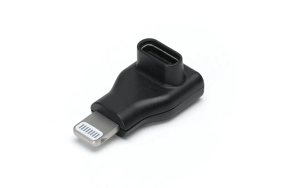
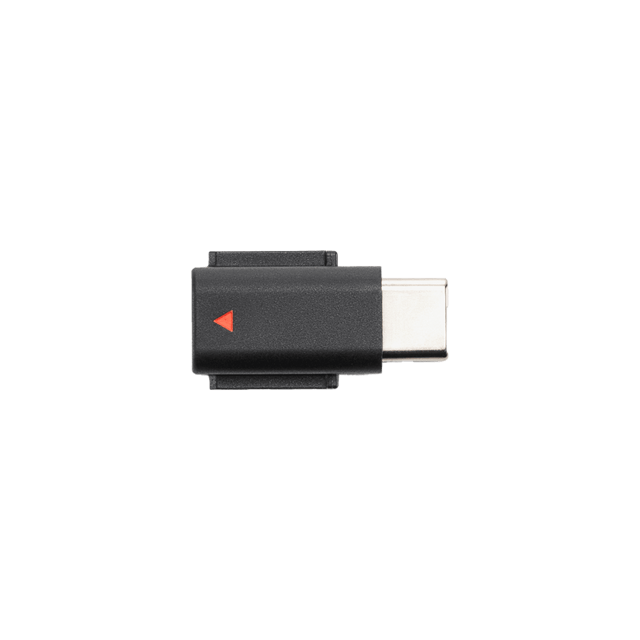
18. If your phone uses a Lightning interface, the receiver cannot be powered by the phone's battery without an external power source. To enable simultaneous charging and use, you need to purchase the DJI Mic 3 Mobile Phone Adapter (Lightning) separately.
19. Some features of DJI Mic 3 cannot be configured through the device directly connected via the OsmoAudio™ ecosystem. For details, refer to the FAQ page on the official DJI Mic 3 website.
20. Only one transmitter can be directly connected and used as the audio input source at a time.
21. When connected directly to a smartphone via Bluetooth, the transmitter does not support audio recording with the phone's native camera app; it only works with third-party apps. For a list of compatible apps, refer to the Downloads page on the DJI Mic 3 official website.
22. Sold separately.





 Local Stock
  Fast Shipment 1-2d.
  Safe Purchase
  2 years Warranty